Slow Aging with Nicotinamide Mononucleotide (NMN)

Complements of the Phytocopeia Natural Products Formulary What is Nicotinamide Mononucleotide? Nicotinamide Mononucleotide or NMN is an organic molecule advertised as a kind of “Fountain of Youth” natural supplement. The reason is based on how it acts as a precursor to nicotinamide adenine dinucleotide or NAD.  NAD boosts cellular energy production (ATP), promote efficient metabolism, … Read more
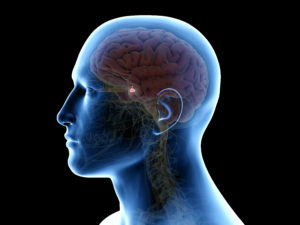
Growth Hormone – Essential to Health – Declines With Age

Pituitary Gland

Growth hormone (GH) is involved in a wide variety of activities essential to health, including the repair of damaged tissue in bones, organs and muscles; maintaining muscle mass; insulin sensitivity and burning fat; promoting strong immune defenses; and supporting healthy blood vessels, blood pressure and cholesterol levels. GH is produced by the pituitary gland, which … Read more

Triage Theory of Micronutrients

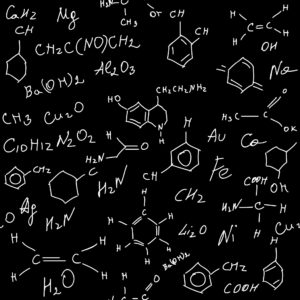
serotonin chemistry

In October 2009, Dr. Bruce Ames and his research team from Children’s Hospital Oakland Research Institute in Oakland, California, published the article Vitamin K, an example of triage theory: is micronutrient inadequacy linked to diseases of aging? in the October 2009 issue of the American Journal of Clinical Nutrition. While some insiders immediately recognized the … Read more

Use N-Acetylcarnosine (NAC) to Prevent Cataracts

Picture of a senile cataract eye

A study published in the American Journal of Therapeutics provides further proof that eye drops containing n-acetylcarnosine, abbreviated as NAC, can slowly reverse existing cataracts and prevent new ones from forming. This study builds upon NAC’s already impressive clinical track record for the prevention and reversal of cataracts. Since the start of this century, NAC has been … Read more

Vitamin K2 is More Important than Calcium for Preventing Osteoporotic Fracture

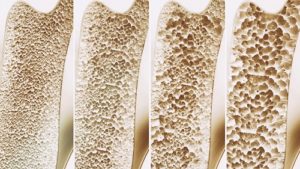
Bone Density Examples

In human studies, 25 years of research has linked osteoporotic fracture with vitamin K insufficiency. A study published in 1984 found that patients who suffered fractures caused by osteoporosis had vitamin K levels 70% lower than age-matched controls. This association has been repeatedly confirmed. One recent trial involving almost 900 men and women found those … Read more